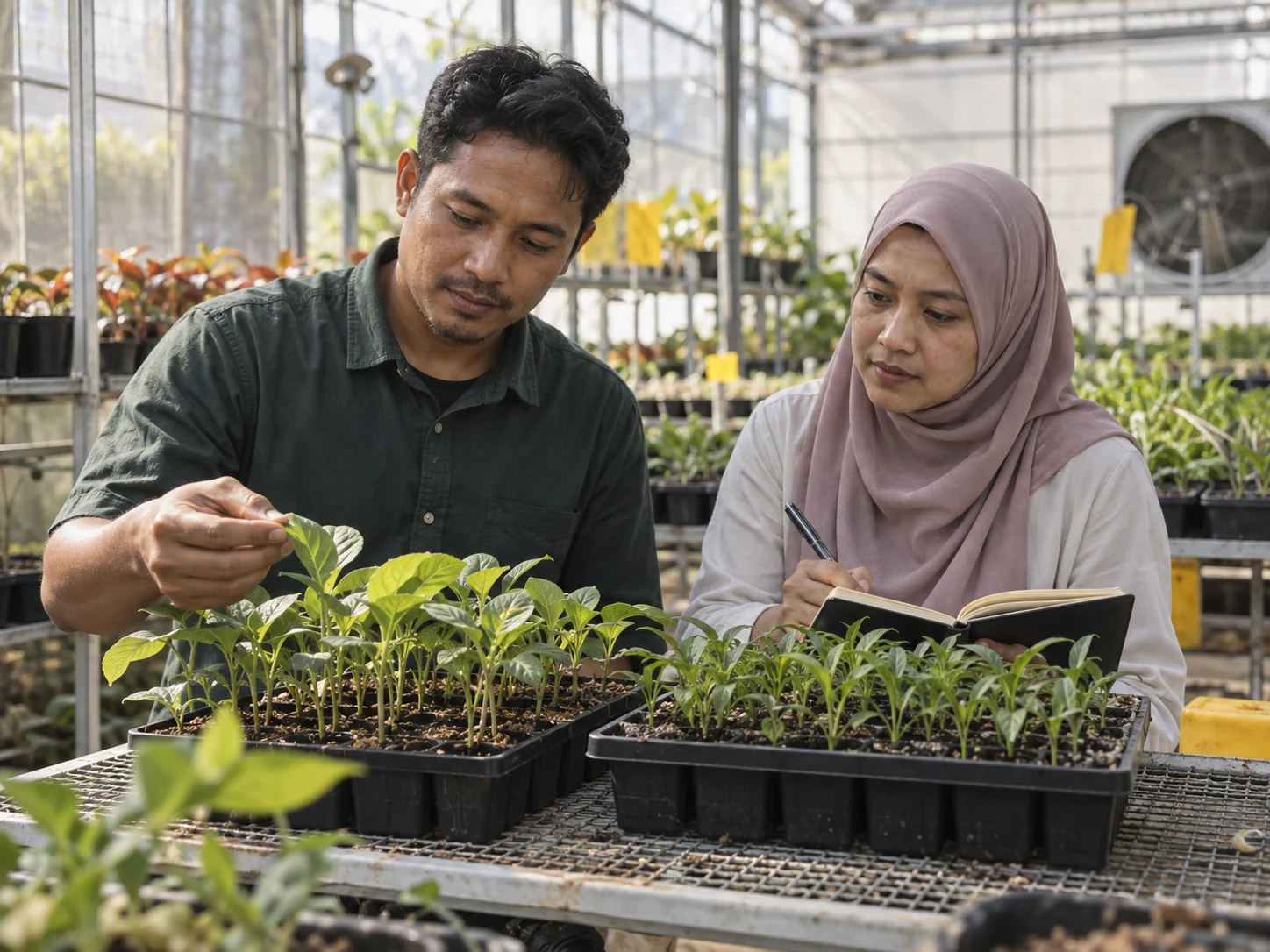

Plant variety protection: discuss your asset, intended markets and any deadlines with TRADEMARK2U. Our teams support work across Malaysia, Indonesia, Thailand, Hong Kong and China; the appropriate route depends on the rights and jurisdiction involved.
Register & Protect
What plant variety protection covers
If you are considering new plant variety protection, the first step is understanding your asset, objectives, markets and deadlines. Plant variety protection is a specialised route for breeders and eligible applicants. It requires attention to the variety, breeding history, identity, testing information and the relevant agricultural authority.
TRADEMARK2U has teams in Malaysia, Thailand, Indonesia, China and Hong Kong. We assess the relevant local route and coordinate with associates where appropriate; the scope available in each market depends on its rules.
The right application pathway depends on the type of variety and its development history. Early planning is helpful where material will be sold, shared, tested or disclosed in multiple countries.
How TRADEMARK2U can help
We discuss the scope of the work before proceeding. Depending on the facts, the service may include:
- Discuss the candidate variety and application objective
- Review breeder and ownership records
- Coordinate the required application materials
- Plan follow-up and related cross-border questions
The appropriate steps, timing and costs depend on the right involved and the jurisdiction. An initial discussion helps identify what can be assessed now and what additional information is needed.
What to prepare
Bringing the following information to an initial conversation helps the team understand the matter and respond more precisely:
- Breeding and development history
- Variety description, samples and test information
- Applicant, breeder and prior-sale details
Our approach
We start by clarifying the asset and the commercial outcome you are seeking. Next, we review the relevant documents, existing rights and any time-sensitive facts. We then outline a practical scope of work and, where engaged, coordinate the agreed actions and updates.
Requirements differ by jurisdiction; the facts of a specific matter should be reviewed before decisions are made.