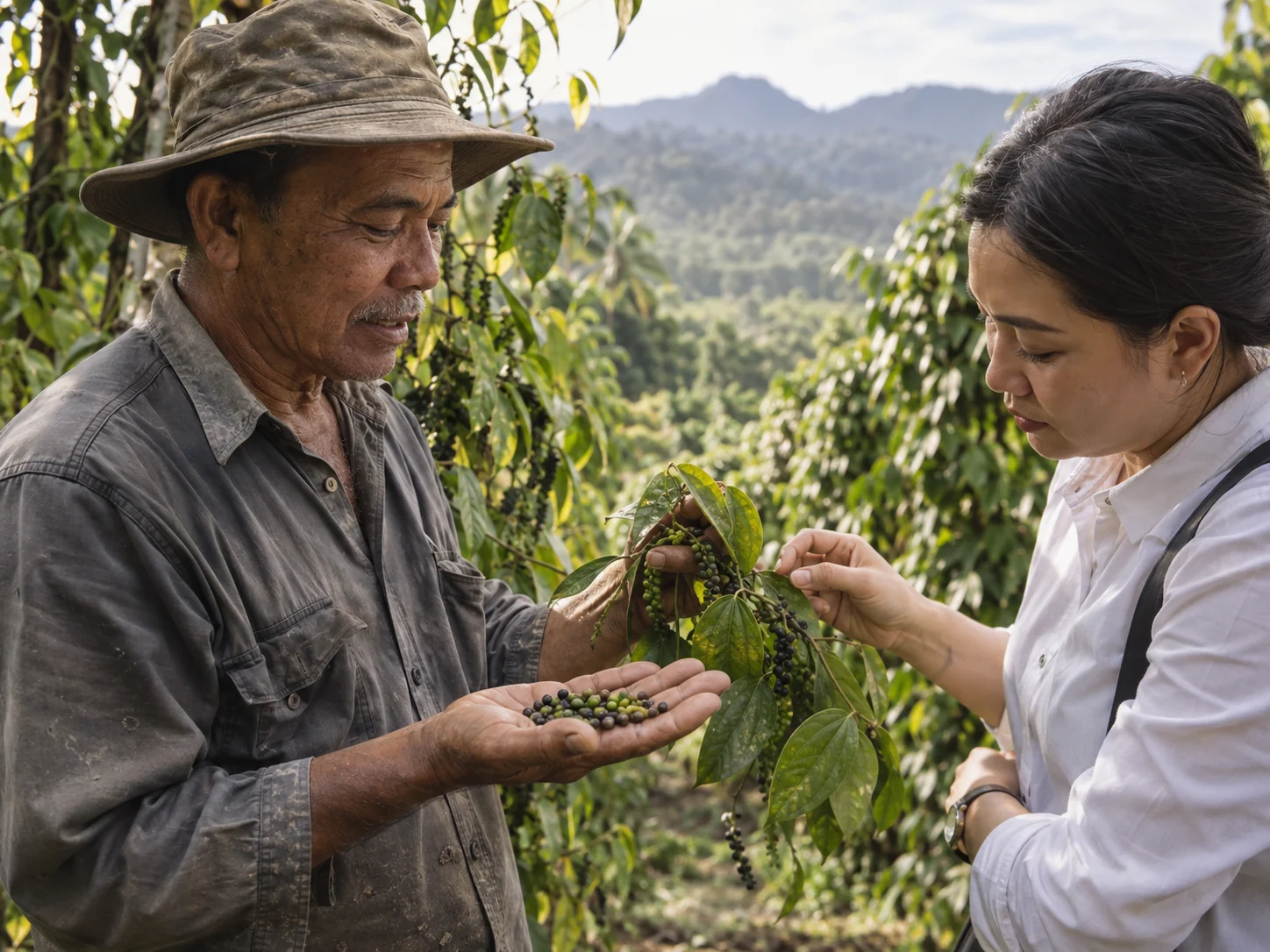

Geographical indication registration: discuss your asset, intended markets and any deadlines with TRADEMARK2U. Our teams support work across Malaysia, Indonesia, Thailand, Hong Kong and China; the appropriate route depends on the rights and jurisdiction involved.
Register & Protect
What geographical indication registration covers
If you are considering geographical indication registration, the first step is understanding your asset, objectives, markets and deadlines. A geographical indication identifies goods whose quality, reputation or other characteristic is linked to a particular place. The applicant, product, area and evidence of that link all matter.
TRADEMARK2U has teams in Malaysia, Thailand, Indonesia, China and Hong Kong. We assess the relevant local route and coordinate with associates where appropriate; the scope available in each market depends on its rules.
This route may be relevant to producers, associations or competent authorities. A project should clarify the eligible group, product specifications and the practical governance of the indication.
How TRADEMARK2U can help
We discuss the scope of the work before proceeding. Depending on the facts, the service may include:
- Discuss the product and geographical connection
- Review applicant status and supporting information
- Prepare and coordinate the registration application
- Consider use, monitoring and renewal responsibilities
The appropriate steps, timing and costs depend on the right involved and the jurisdiction. An initial discussion helps identify what can be assessed now and what additional information is needed.
What to prepare
Bringing the following information to an initial conversation helps the team understand the matter and respond more precisely:
- Product description and geographical area
- Evidence of the product’s reputation or relevant characteristics
- Producer-group or authority details
Our approach
We start by clarifying the asset and the commercial outcome you are seeking. Next, we review the relevant documents, existing rights and any time-sensitive facts. We then outline a practical scope of work and, where engaged, coordinate the agreed actions and updates.
Requirements differ by jurisdiction; the facts of a specific matter should be reviewed before decisions are made.